Katharina Link Speaks at ABMI 2025, Signs Landmark Open Letter on Strengthening African Media
As editors and media leaders across Africa, we come together at a pivotal moment for both our industry and our continent. Independent media has long served as a cornerstone of democracy and development. It holds power to account, informs citizens, amplifies underrepresented voices, and drives transparency — all while fostering investor confidence and enabling economic growth.
Yet today, this essential institution is under growing pressure. Demographics are shifting, and so are audience expectations. Competition from non-traditional content producers is increasing. We are facing a new wave of misinformation. And as instantaneous content becomes the norm, traditional business models will no longer be fit for purpose.
These challenges are not new. For over a decade, media houses across the continent have been working tirelessly to address them, exploring new ways of working, producing and connecting with our audience. But the pace of disruption has intensified.
AI is expected to profoundly transform our sector once again. African media can no longer do without the investment in infrastructure, training and innovation in the technological advances that will shape the next decade of news.
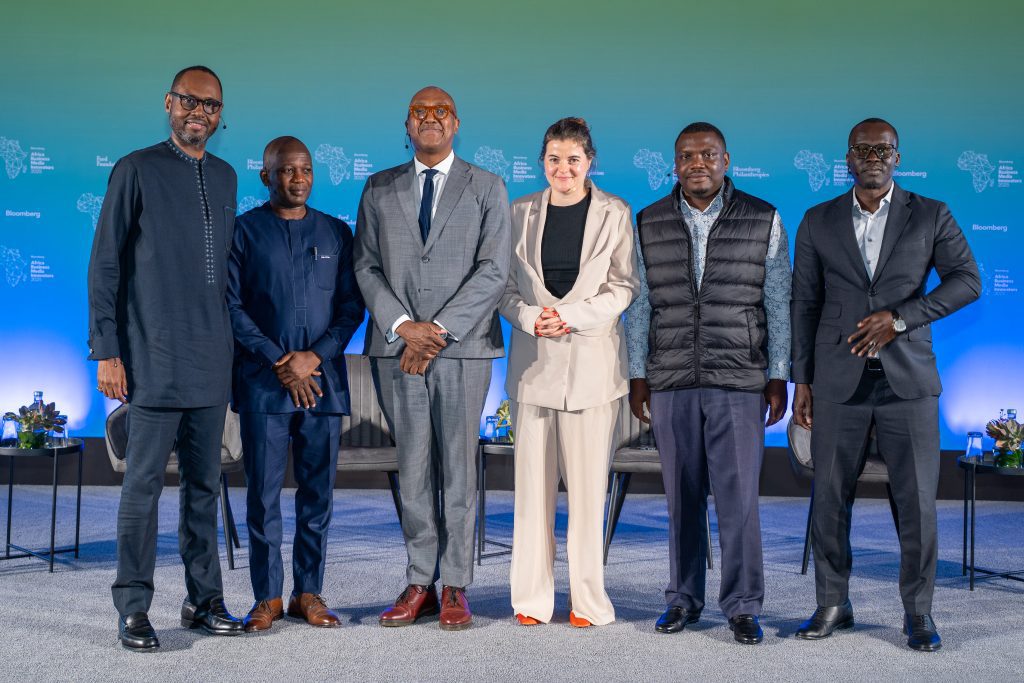
On June 8-10, we met in Zambia for the Africa Media Business Innovators 2025 organized by Bloomberg. News is a relentlessly fast industry, but this was a rare moment to catch our breath, take stock of these unprecedented challenges and share ideas on what needs to be done. What we heard was not a story of decline — it was one of opportunity. Those in attendance in Zambia shared how they have already started to experiment with new business models and uses for emerging technologies. We heard about the numerous assets already available on the continent: its youth, making Africa both the world’s fastest growing media market and a critical producer of content and data globally; and its economic success, with African nations outperforming the rest of the world in GDP growth.
And, importantly, we have heard how other sectors – including African fintech – have successfully navigated and overcome challenges that may inspire African media leaders to find innovative solutions to strengthen and grow the industry.
The case for investments in credible and independent media ecosystems that support journalists has never been stronger. But it is up to African media themselves to take ownership of their own narratives and showcase their potential to investors and partners. And here is how it can happen:
- Invest in ideas. As paper distribution becomes less central, media organizations must reimagine themselves as platforms for discussions and partnerships, without compromising journalistic integrity.
- Don’t fear new technology: embrace it. Social media may have increased competition for attention, but it allowed us to diversify our audiences and get closer to our readers. With the right guardrails, AI, too, can become a powerful tool for journalism. Training our journalists on new technologies is essential.
- Collaborate and share: Africa is a diverse continent, yet many of our challenges, including misperceptions, are shared. By sharing success stories and working collectively with regional and global partners, we can build a stronger, more connected media ecosystem.
- Bolster business journalism. Set up young African writers for a career in business journalism by showing your support for what a financially literate press can do for the continent’s economic future.
A robust press contributes to good governance, exposes corruption, empowers communities, and helps unlock investment and inclusive economic opportunities for all.
We believe in the power of journalism to shape Africa’s future — but we cannot do it alone. It will take a collective effort from readers, policymakers, investors, and practitioners to protect, strengthen, and invest in our democracies and economies, which so critically need strong and independent media.
Signed,
Matthew Winkler, Co-founder & Editor-in-Chief Emeritus, Bloomberg News
Jacqueline Simmons, Editorial Lead-Europe, Middle East & Africa, Bloomberg News
Samuel Attah-Mensah, Chief Executive Officer, Citi FM and Channel One TV
Amadou Mahtar Ba, Co-Founder and Executive Chairman, AllAfrica
Nomsa Chabeli, Group Chief Executive Office, SABC
Styli Charalambous, Founding Chief Executive Officer and Publisher, The Daily Maverick
Adeyeye Joseph, Managing Director and Editor-in-Chief, Punch Newspapers
Richard Ikiebe, Chairman, BusinessDay Nigeria
Davies L. Kabuswe, Executive President, Sun Broadcasting Holdings Limited (Sun FM, Sun TV, SunSports TV, Konkola Radio)
Sipho Kings, Co-founder and Publisher, The Continent
Katharina Link, Chief Executive Officer, Pulse, Business Insider Africa
Mary Mbewe, Editor, Daily Nation Newspaper Zambia
Lamine Niang, Director, Le Soleil
Adama Wade, Publishing Editor, Financial Afrik