At the 2025 INMA World Congress of News Media in New York, global media leaders gathered to explore how technology, innovation, and culture are reshaping the news ecosystem.
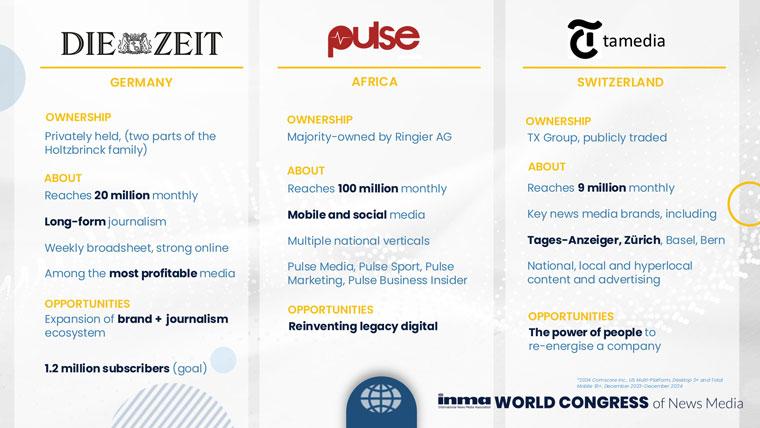
Katharina Link, CEO of Pulse Africa, joined Dr. Rainer Esser (CEO, Die Zeit) and Jessica Peppel-Schulz (CEO, Tamedia) on the Global CEO Panel to discuss what it takes to lead modern newsrooms — and why the future belongs to brands that are bold, agile, and audience-first.
Human-Centered Leadership and Culture-Driven Change
Dr. Esser of Die Zeit emphasised transformation through relationships and a growth-first mindset. From riding elevators to personally connecting with staff to pushing over 100 brand extensions, his “no loss” philosophy rejects failure in favour of momentum.
For Peppel-Schulz, successful transformation at Tamedia starts with mindset: “Nothing works without people willing to change.” By starting projects with small teams and building trust through visible wins, Tamedia is fostering cultural shifts to embrace innovation at scale.
Pulse Africa: A Vision Built on Innovation and Creativity
Representing Africa’s largest digital media network (as recognised by INMA), Katharina Link spotlighted how Pulse is blending brand DNA, emerging technologies, and youth culture to evolve its storytelling.
From leveraging AI to optimise content planning, translations, and interview research to pioneering digital twins — AI-generated journalist avatars that mimic voice and style — Pulse is exploring how AI can extend newsroom capacity while keeping editorial control in human hands.
AI as a Catalyst, Not a Replacement
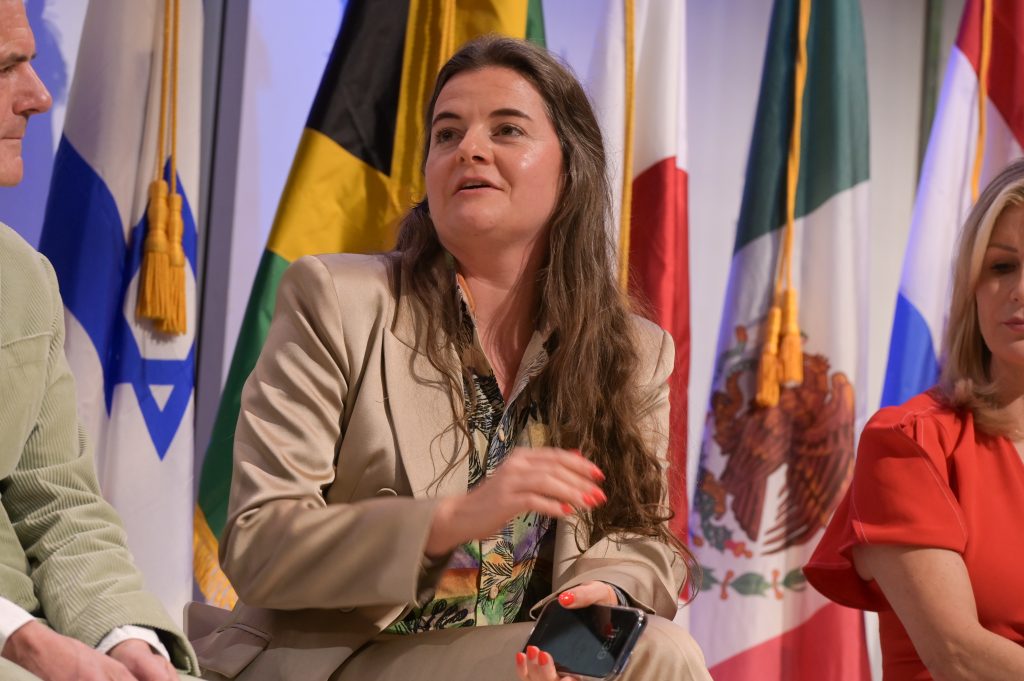
Katharina outlined how Pulse is strategically using AI to enhance, not replace, human creativity in the newsroom. From preparing interviews and translating content across languages to optimising editorial workflows, AI is helping teams move with greater speed and precision.
One of the most groundbreaking projects is the launch of digital twins — AI-powered avatars of Pulse journalists that mimic their voice, tone, and on-screen presence.
“What matters most is ownership. Our journalists retain full control of their digital twin. It’s not just a productivity tool — it’s an extension of their professional identity. Journalists have complete ownership of their digital twin; if they leave the company, that digital twin can no longer be used,” Link assured.
She also discussed Pulse’s rollout of the “transcreator” model, a hybrid editorial-creative function designed to adapt long-form journalism into platform-first content for social media — enabling deeper storytelling with broader reach.
She also shared Pulse’s push into platform-native formats like TikTok and Instagram Reels, reaffirming the brand’s commitment to engaging Africa’s young, mobile-first audiences through immersive and relevant storytelling.
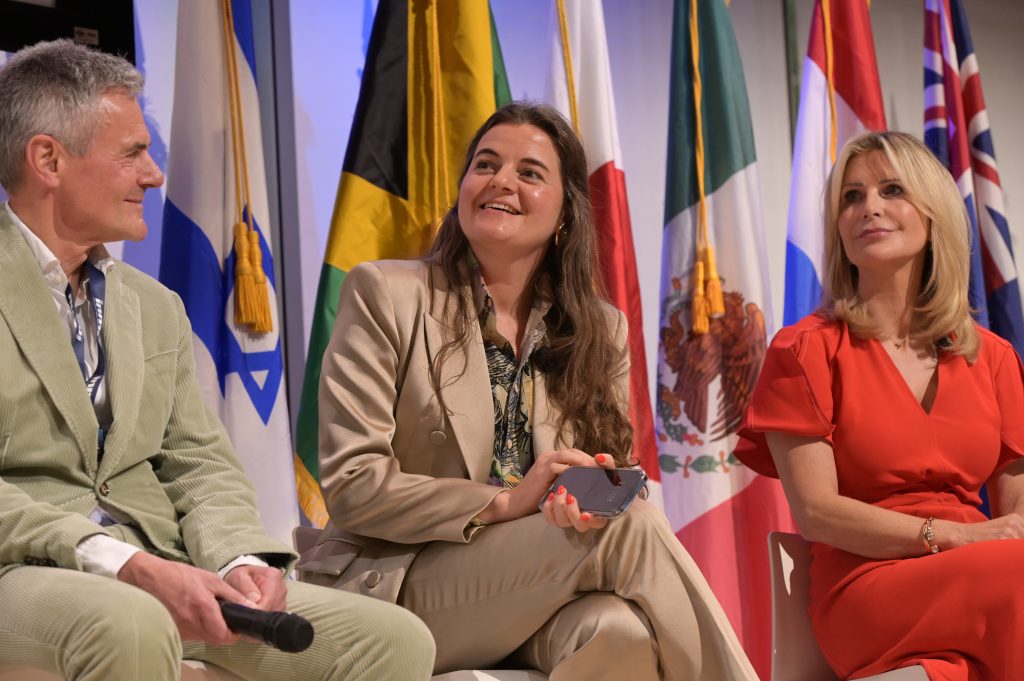
Together, the panel reflected on the role of AI as a general-purpose technology — one that will deeply influence media, economies, and society at large. But transformation, they agreed, must always begin with people.
You can follow Pulse’s corporate channels on: